CA Prop 65 and The Future of Direct Thermal Media
New BPS regulations are impacting business operations and consumer purchasing. Learn how California’s Proposition 65 may affect your business.

Direct thermal (DT) and thermal transfer ribbon (TTR) printing both use heat to produce high-quality images and barcodes. Direct thermal printing uses specialized, heat-reactive media that darkens when passed through a thermal printhead. Thermal transfer printing, however, can print on a large variety of substrates. The image is produced with a heated ribbon. Factors including ideal applications, maintenance requirements and adaptability largely determine the best solution based on unique business needs.
Direct thermal printing is known for its speed and accuracy making it ideal for ticketing, receipts, shipping labels, fresh food labeling and mobile printing. When efficient high-volume printing is an operational priority, direct thermal printing is an excellent option. However, since DT labels are heat-sensitive they are prone to fading and diminished readability over time. Additionally, DT labels are vulnerable to moisture, fluorescent and sunlight, and chemical exposure. Direct thermal printing is best suited for shorter-term applications (6 months or less).
Thermal transfer ribbon printing produces long-term, high-quality stable images. TTR melts ink onto a substrate creating a durable image as it cools. TTR is ideal for applications requiring tight tolerances, superior resolution, environmental flexibility, and/or extended shelf life. TTR printing requires an additional step in the printing process compared to DT, making it the slower option and less suitable for high-speed printing environments. TTR usually prints at settings of 2 ips (inches per second) to 4 ips, while DT prints at speeds of 4 ips to 14 ips.
TTR offers versatility, printing on a wide range of materials including textiles, synthetic materials, paper and film substrates. When paired with the right media, customized by application, TTR can be heat, moisture, abrasion, chemical and/or light resistant. Thermal transfer ribbon printing is ideal for electronics, storage drums, inventory identification, laboratory, medical, cold storage and certification labeling.
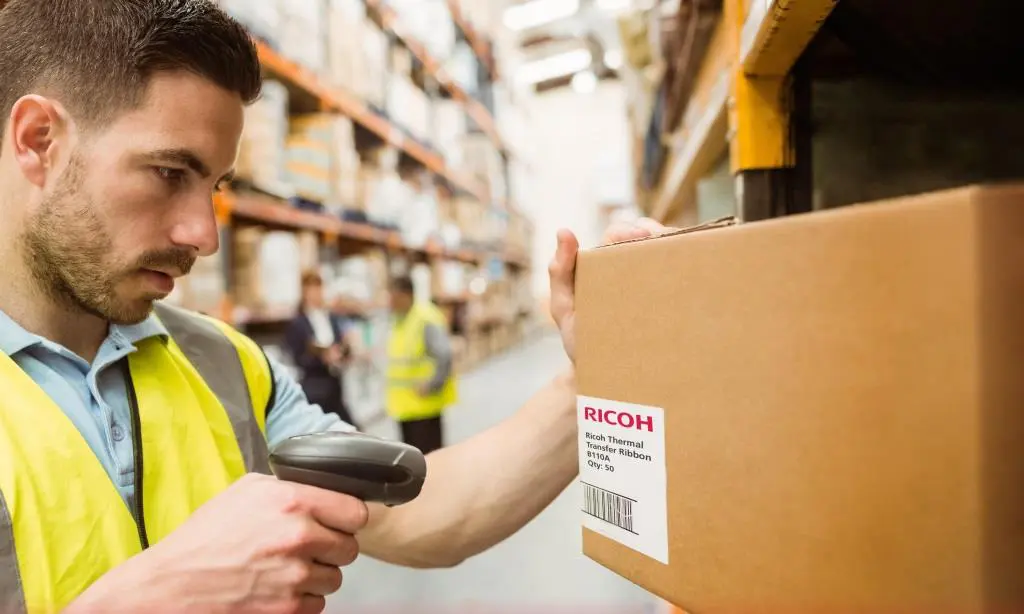
Compared to other popular printing methods such as laser and inkjet printing, both direct thermal and thermal transfer printing have lower maintenance costs over time. Between the two, however, DT printers are generally simpler and need less maintenance. They do not require ribbons, ink or toner, keeping consumable costs low. Since DT printers have fewer components, they typically cost less to purchase and repair. DT labels often cost more than those used for TTR.
Operationally, direct thermal printers are relatively easy to use. Ribbon changes and associated additional inventory storage are not needed for DT printing. Maintenance requirements are minimal, limited to routine cleaning and printhead inspection.
The ongoing cost of ribbons typically makes Thermal Transfer printing the more expensive option, particularly for higher output operations. Oftentimes, a variety of ribbon options must be maintained for different substrates and label applications. However, more adaptable thermal transfer ribbons, like Ricoh’s B110A, can cut down on frequent ribbon changes and inventory management costs. Failing to change ribbons and ensure compatibility with chosen media can result in printer damage and high repair costs.
TTR printers require more maintenance than DT printers. Tension must be adjusted, alignment maintained, ribbons replaced, and print heads cleaned. Thermal transfer printing is more complicated operationally, which means printer maintenance often requires more expertise. It is crucial when printing with thermal transfer ribbons to balance the label, ips settings and darkness to avoid wrinkle, tearing or burning of the ribbon.
While it’s true that consumable prices are higher for thermal transfer ribbon printing, the printheads last longer than direct thermal printers.
Wax, resin or wax-resin thermal transfer ribbon varieties can be used on a wide range of print media. When expertly matched, this creates an opportunity for unparalleled customization and durability. TTR can be used to create a clear and enduring image on paper, polyester, film and more. The right combination for specific requirements can offer features like moisture resistance or the ability to withstand extreme temperatures. In addition to label customization, some TTR printers have an option to print direct thermal labels as well, offering flexibility for businesses with diverse applications.
While both DT and TTR produce labels with excellent clarity and barcode scannability, TTR offers superior resolution, graphic detail and allows for color printing, making it the ideal solution for professional branding and for small print space. Thermal transfer ribbon printing is resistant to fading, abrasion and chemicals however, choosing the right ribbon-substrate combination is key to achieving desired results.
Direct thermal printing is an excellent solution for highly mobile applications, but it is limited in terms of versatility and quality. Thermal coating fades over time and can more easily smudge or scratch. DT prints typically have a shelf life of 6 months or less.
Ultimately, the choice between direct thermal (DT) and thermal transfer ribbon (TTR) printing depends on specific business needs and priorities. Direct thermal printing stands out for its speed and simplicity, making it ideal for applications like ticketing and short-term labeling. On the other hand, thermal transfer ribbon printing offers a more versatile and durable solution, suitable for a wide range of materials, long-term applications and high-quality branding. TTR provides superior resolution and graphic detail capabilities. Ultimately, understanding the distinctive features of each printing method enables businesses to make informed decisions that align with their operational requirements and goals.
New BPS regulations are impacting business operations and consumer purchasing. Learn how California’s Proposition 65 may affect your business.
Ricoh’s innovative Run-a-Splice® technology eliminates the need to resplice, saving direct thermal converters time and money.
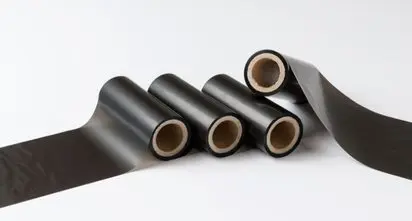
Thermal transfer ribbon produces a durable, high-quality print. Read all you need to know to choose the right ribbon for your application.
Stay connected with the latest from Ricoh Electronics — news, updates, and more.