CA Prop 65 and The Future of Direct Thermal Media
New BPS regulations are impacting business operations and .consumer purchasing. Learn how California’s Proposition 65 may affect your business
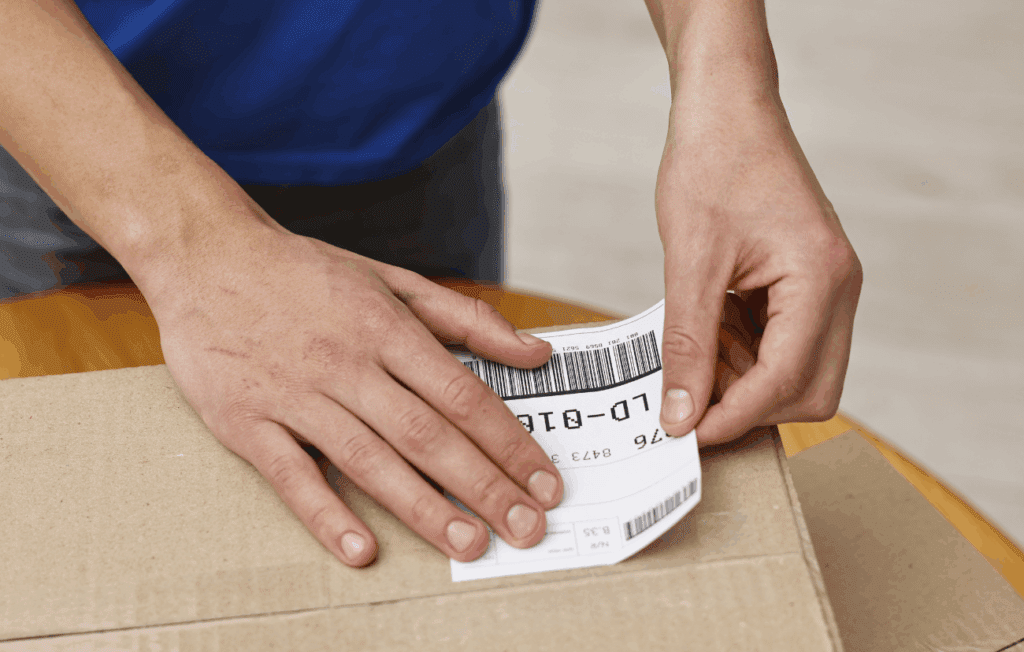
With so many label product options available, determining the best solution for your business application can be daunting. One differentiating factor that can help narrow these options is adhesive type – specifically hot melt vs acrylic emulsion. Understanding the unique characteristics and critical differences is crucial when choosing the best label solution. Let’s explore 4 key distinctions.
Hot melt adhesive has superior holding power, also known as shear strength. It is stronger than acrylic with a higher rate of adhesion. While both hot melt and acrylic options adhere to a large variety of substrates, hot melt provides a more powerful hold once applied.
Hot melt adheres by melting solid material to a liquid state, which bonds as a solid when cooled. While this process creates a strong bond, hot melt is also more vulnerable to temperature changes. When overheated, hot melt can soften. Adhesion can also be less effective when exposed to extreme cold. Alternatively, acrylic emulsion performs well when exposed to a wider temperature range. Since acrylic adhesive has a lower viscosity than hot melt, it is an ideal choice for environments with varying humidity and settings with the potential for excess dust or debris.
Hot melt adhesives produce minimal VOC emissions. Solvents and water are not used in hot melt adhesion, making a drying step unnecessary. For these reasons, hot melt is generally considered more sustainable than acrylic emulsion. However, other label properties should not be overlooked when assessing which labeling solution is the most environmentally friendly option for your application. Features like linerless printing and bisphenol-free production, among others, should also be taken into consideration.
Take a big-picture approach when determining which adhesive option is best for your business application. Acrylic adhesive can adhere to a wide range of containers. It is resistant to oxidation, meaning it will not yellow when exposed to sunlight. It is lightweight, performs exceptionally well in cold temperatures and holds up well over time. Acrylic emulsion adhesive is an excellent option in high or low-humidity environments. Accordingly, acrylic emulsion is most suitable for applications requiring long-term storage, refrigeration or varying temperatures, or long-distance shipments. Hot melt provides an exceptional strong hold with a quick tack, meaning the adhesive bonds quickly. It is well suited for machine-applied labeling or used on containers that will either ship immediately or remain in storage for up to a few weeks.
When examining adhesives, hot melt and acrylic emulsion stand out as versatile options, each with unique characteristics. By understanding the strengths and weaknesses of hot melt and acrylic emulsion, you can make an informed decision that aligns with the requirements of your unique business application. Whether you prioritize shear strength, tack, sustainability or environmental resistance, our range of products can provide you with the best labeling solution for your application.
New BPS regulations are impacting business operations and .consumer purchasing. Learn how California’s Proposition 65 may affect your business
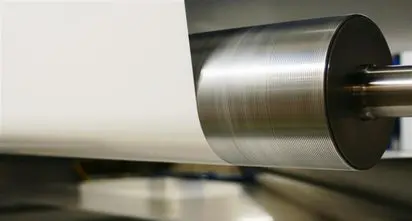
Ricoh’s innovative Run-a-Splice® technology eliminates the need to resplice, saving direct thermal converters time and money.

Understand the benefits and differences between direct thermal (DT) and thermal transfer ribbon (TTR) printing.
Stay connected with the latest from Ricoh Electronics — news, updates, and more.